


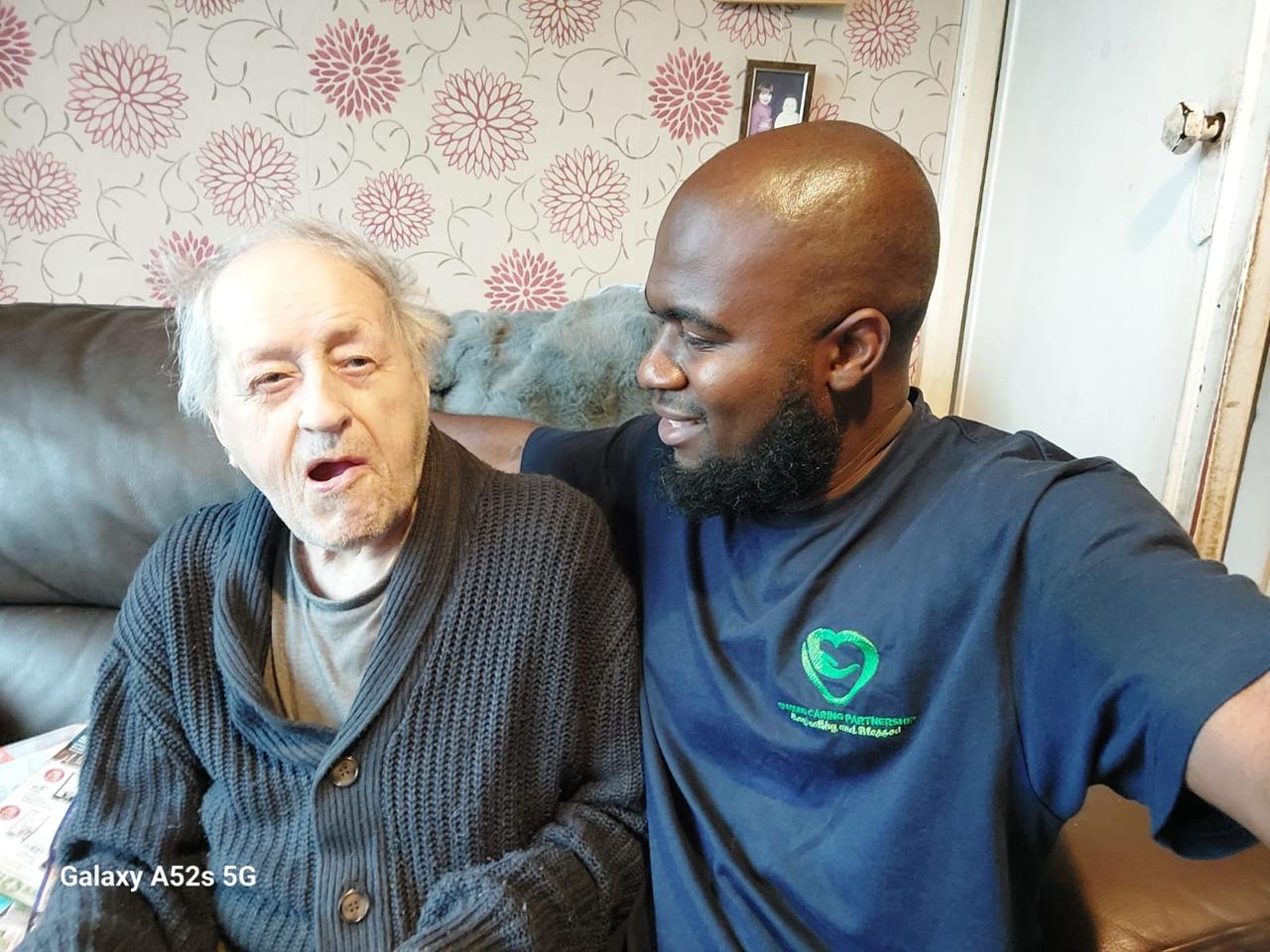
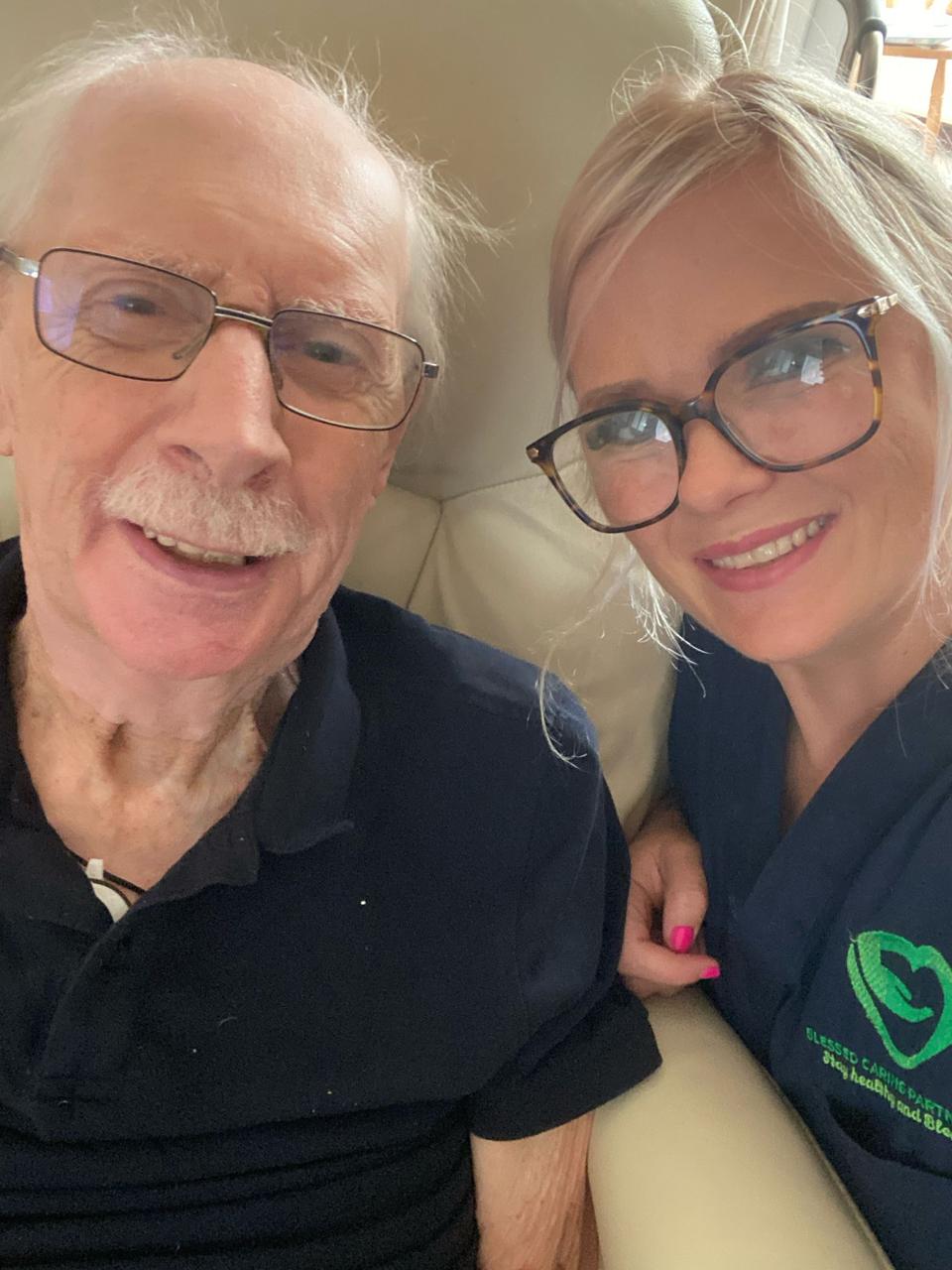
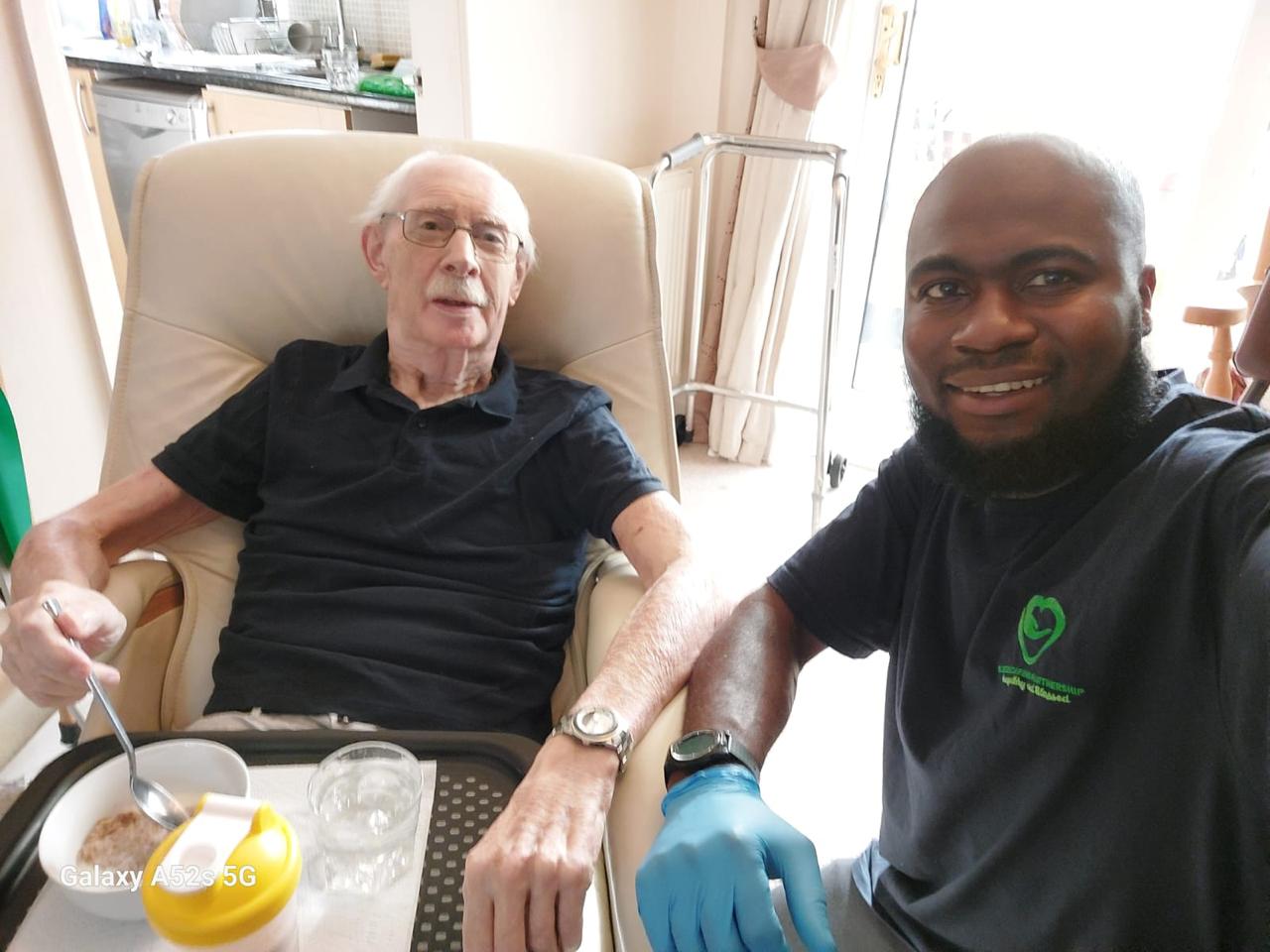


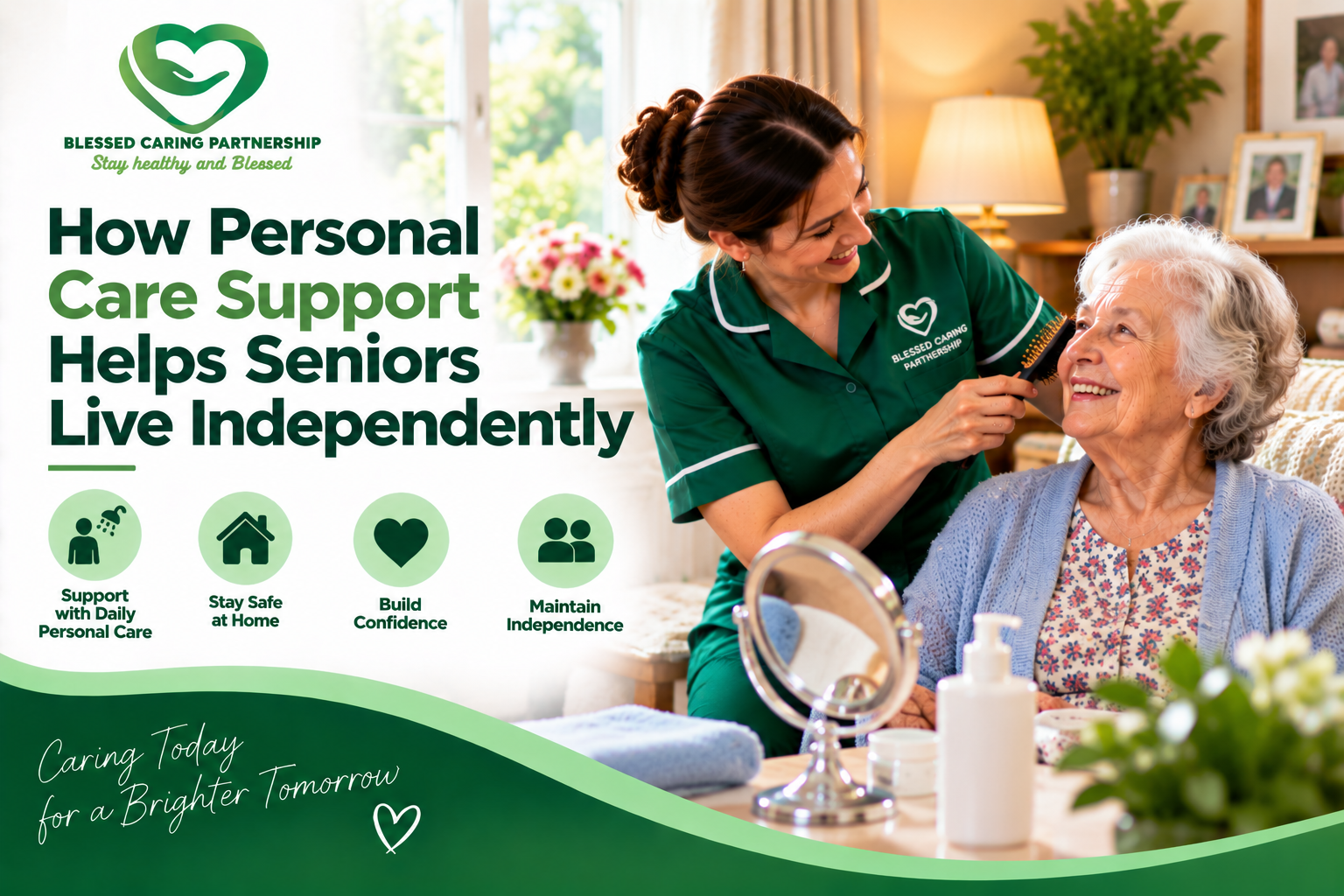
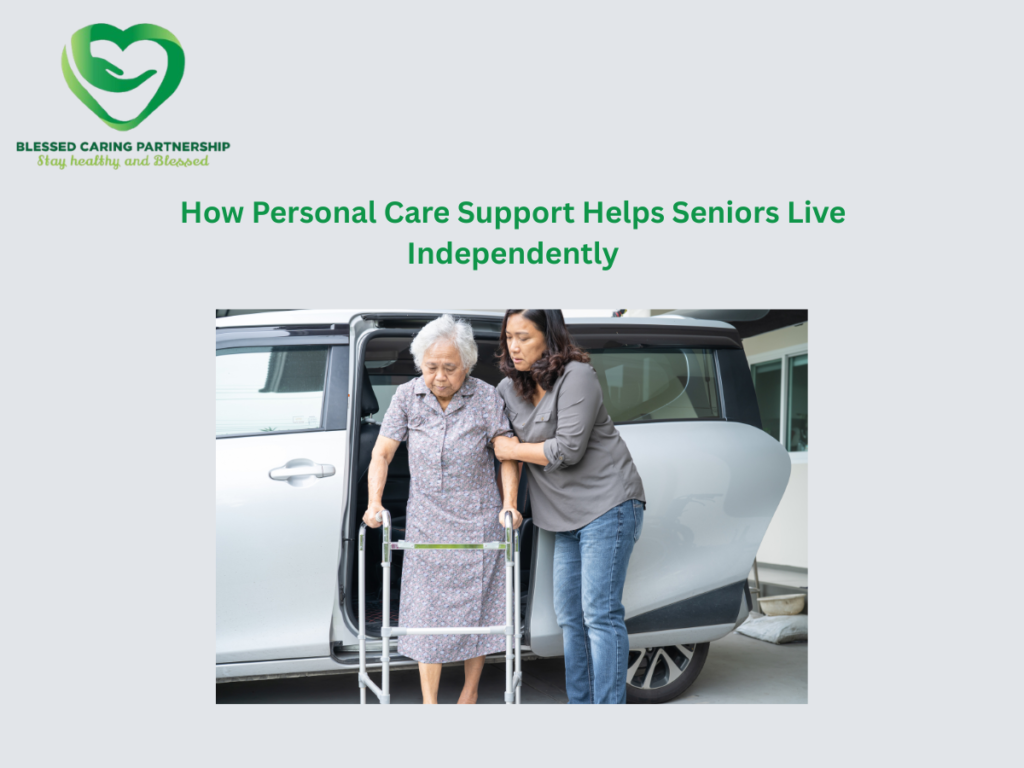
As people age, maintaining independence often becomes one of their highest priorities. Most seniors prefer to remain in the comfort of their own homes rather than move into residential care facilities. Staying in familiar surroundings allows older adults to continue enjoying their routines, maintain social connections, and preserve a sense of control over their daily lives.
However, aging can bring challenges such as reduced mobility, chronic health conditions, balance issues, memory concerns, and difficulty performing everyday tasks. These challenges can make independent living more difficult and sometimes even unsafe without the right support.
Personal care support provides practical assistance that enables seniors to continue living safely and comfortably at home. Rather than taking away independence, professional caregivers help older adults maintain it by offering the right level of assistance while encouraging self-sufficiency wherever possible.
Understanding Personal Care Support
Personal care support refers to a range of services designed to assist seniors with activities of daily living. These services are customized according to each person’s unique needs and preferences.
Personal care services may include:
- Assistance with bathing and showering
- Dressing and grooming support
- Toileting assistance
- Medication reminders
- Meal planning and preparation
- Mobility and transfer assistance
- Light housekeeping
- Laundry assistance
- Companionship and emotional support
- Help with daily routines
The primary goal is to help seniors maintain their quality of life while continuing to live independently in a familiar environment.
Helping Seniors Remain in Their Own Homes
Many older adults worry that needing assistance means they will have to leave their homes. Personal care support helps prevent this by providing the assistance necessary to manage daily activities safely.
Caregivers can help with tasks that may have become physically demanding while allowing seniors to remain actively involved in their own care. This balance promotes confidence and helps preserve independence.
Remaining at home offers several benefits:
- Greater comfort and familiarity
- Stronger emotional wellbeing
- Continued community involvement
- Closer connections with family and friends
- Reduced stress associated with relocation
For many seniors, aging in place significantly improves overall happiness and life satisfaction.
Improving Safety and Reducing Risks
Falls are among the most common causes of injury in older adults. Everyday activities such as bathing, climbing stairs, or moving around the home can become increasingly risky with age.
Personal care support helps create a safer environment by:
- Assisting with mobility
- Providing support during transfers
- Monitoring physical wellbeing
- Reducing fall risks
- Encouraging safe movement practices
- Helping identify hazards within the home
A safer home environment allows seniors to maintain independence without compromising their wellbeing.
Supporting Physical Health
Maintaining physical health is essential for independent living. Personal caregivers help seniors stay on track with healthy habits and routines.
Support may include:
Assistance with Nutrition
Proper nutrition becomes increasingly important with age. Caregivers can assist with grocery shopping, meal planning, and preparing nutritious meals that meet dietary requirements.
Medication Reminders
Missing medications can lead to serious health complications. Caregivers help seniors follow prescribed medication schedules and maintain consistency.
Mobility Support
Regular movement helps maintain strength, flexibility, and balance. Caregivers can encourage safe physical activity and assist with mobility when necessary.
Personal Hygiene
Good hygiene contributes to physical health, comfort, and confidence. Assistance with bathing, grooming, and dressing helps seniors maintain their wellbeing and dignity.
Enhancing Emotional Wellbeing
Physical assistance is only one aspect of personal care support. Emotional wellbeing is equally important.
Many seniors experience loneliness due to retirement, reduced mobility, or the loss of friends and family members. Social isolation can negatively affect both mental and physical health.
Personal caregivers provide valuable companionship by:
- Engaging in meaningful conversations
- Participating in hobbies and activities
- Accompanying seniors on walks
- Providing emotional reassurance
- Encouraging social engagement
These interactions can significantly improve mood, confidence, and overall quality of life.
Encouraging Independence Rather Than Replacing It
A quality personal care service focuses on empowering seniors rather than doing everything for them.
Caregivers encourage older adults to participate in activities they can safely perform while offering assistance only when necessary. This approach helps preserve confidence, self-esteem, and a sense of accomplishment.
The goal is always to maximize independence while ensuring safety and comfort.
Providing Reassurance for Families
Family members often want to support aging loved ones but may have work, childcare, or other responsibilities that limit their availability.
Personal care support provides peace of mind by ensuring seniors receive professional assistance when needed. Families can feel reassured knowing their loved ones are safe, comfortable, and receiving compassionate care.
This support often strengthens family relationships by reducing stress and allowing more quality time together.
Flexible Care That Adapts to Changing Needs
One of the greatest advantages of personal care services is flexibility. Support plans can be adjusted as an individual’s circumstances change.
Some seniors may only require occasional assistance, while others may benefit from daily support. Personalized care plans ensure that each person receives the right level of assistance without losing their independence.
Conclusion
Personal care support plays a crucial role in helping seniors live independently while maintaining safety, dignity, and quality of life. By assisting with daily tasks, promoting healthy routines, providing companionship, and creating a safer home environment, caregivers enable older adults to continue enjoying the comfort and familiarity of their own homes.
With compassionate and personalized support, seniors can remain active, confident, and independent for longer while families gain valuable peace of mind.
Frequently Asked Questions (FAQs)
1. What is personal care support for seniors?
Personal care support includes assistance with everyday activities such as bathing, dressing, grooming, meal preparation, medication reminders, mobility support, and companionship. These services help seniors maintain independence while living safely at home.
2. How does personal care support help seniors stay independent?
Personal care support provides assistance with challenging tasks while encouraging seniors to continue performing activities they can manage independently. This balance helps maintain confidence, dignity, and self-sufficiency.
3. Can personal care support prevent seniors from moving into residential care?
In many cases, yes. By providing the necessary assistance at home, personal care services allow seniors to remain in familiar surroundings rather than relocating to a residential care facility.
4. What types of services are included in personal care?
Services may include bathing assistance, dressing support, toileting help, medication reminders, meal preparation, mobility assistance, housekeeping, laundry, and companionship.
5. Is personal care support customized for each individual?
Yes. Care plans are typically tailored to meet each person’s unique needs, preferences, health conditions, and lifestyle requirements.
6. How does personal care improve safety at home?
Caregivers help reduce fall risks, assist with mobility, monitor wellbeing, and support seniors during potentially hazardous daily activities.
7. Can personal care support help with loneliness?
Absolutely. Caregivers provide companionship, conversation, emotional support, and social engagement, helping reduce feelings of isolation and loneliness.
8. How often can a senior receive personal care support?
Support can range from a few hours per week to full-time daily assistance depending on the individual’s needs and preferences.
9. What are the benefits of aging in place?
Aging in place allows seniors to remain in familiar surroundings, maintain routines, stay connected to their communities, and enjoy greater comfort and emotional wellbeing.
10. How do families benefit from personal care support?
Families gain peace of mind knowing their loved ones are receiving professional assistance while remaining safe, comfortable, and independent at home.