




Introduction
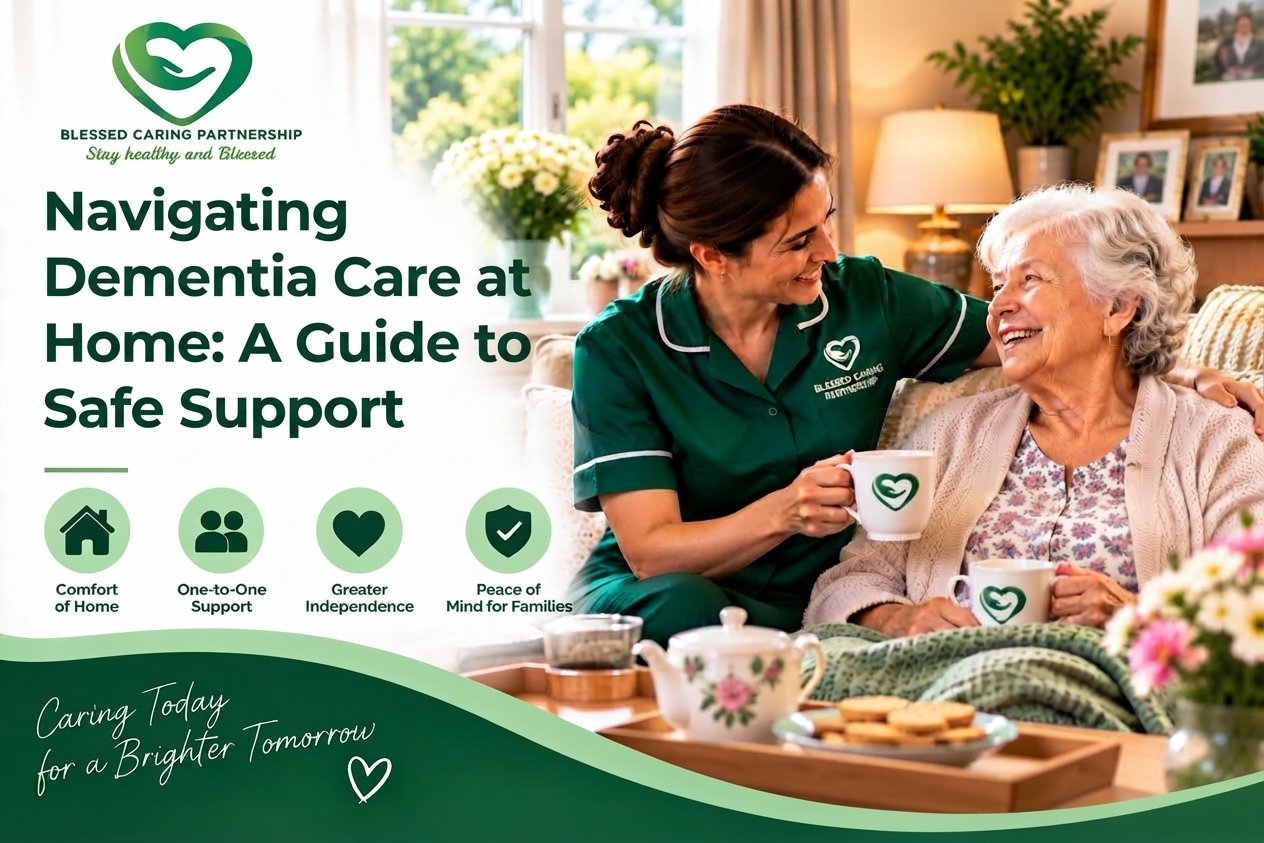
Receiving a dementia diagnosis for a loved one can feel overwhelming for the entire family. As memory and cognitive abilities gradually change, ensuring that your family member remains safe, respected, and comfortable becomes the primary goal. While institutional care is an option, many families prefer the familiar surroundings of home. This is where specialized Dementia Care at Home makes all the difference.
At blessedcp.co.uk, we understand the unique challenges of memory loss and are dedicated to providing compassionate, dignified support right where your loved one feels most secure.
Why Home is Ideal for Individuals Living with Dementia
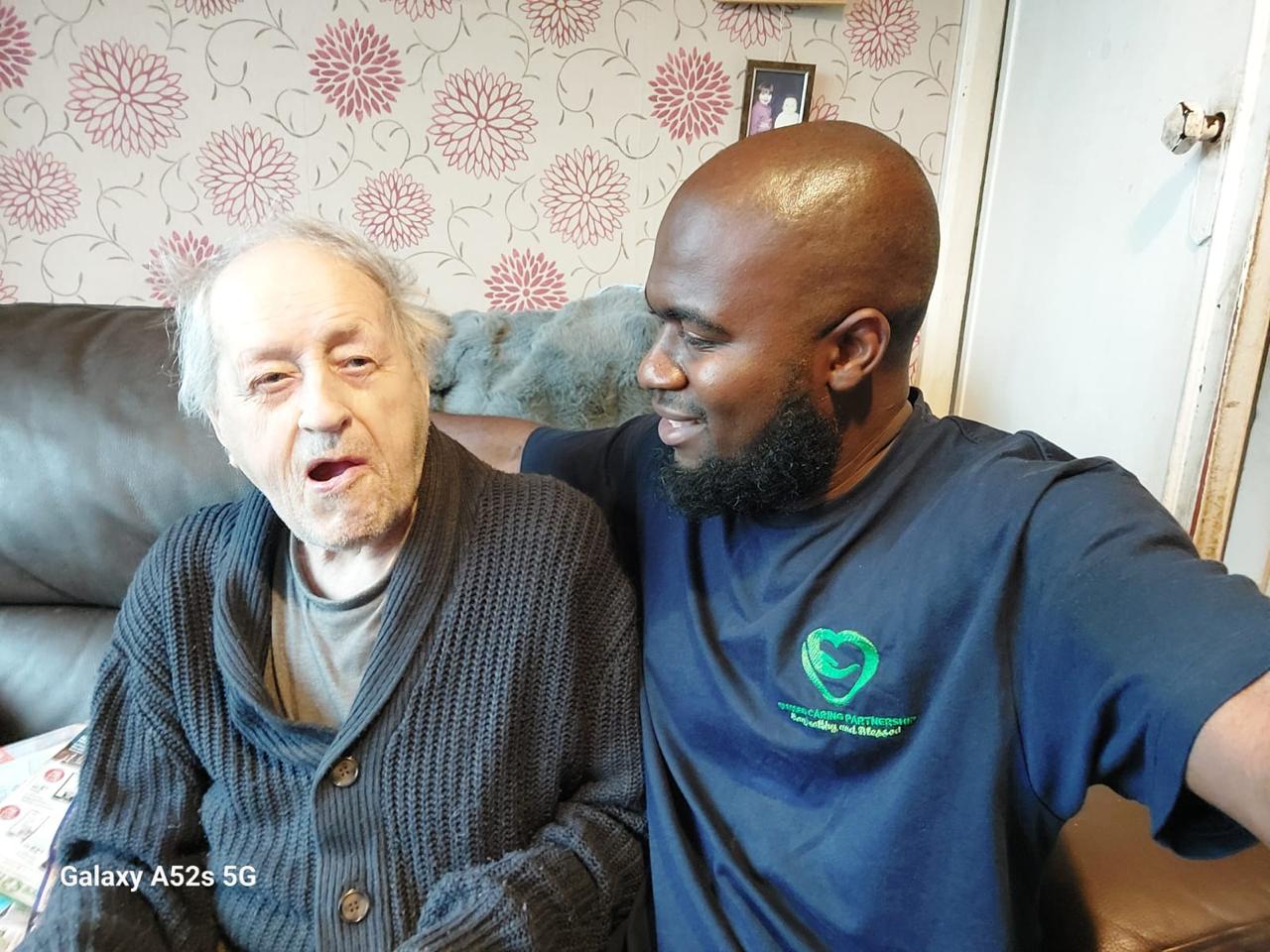
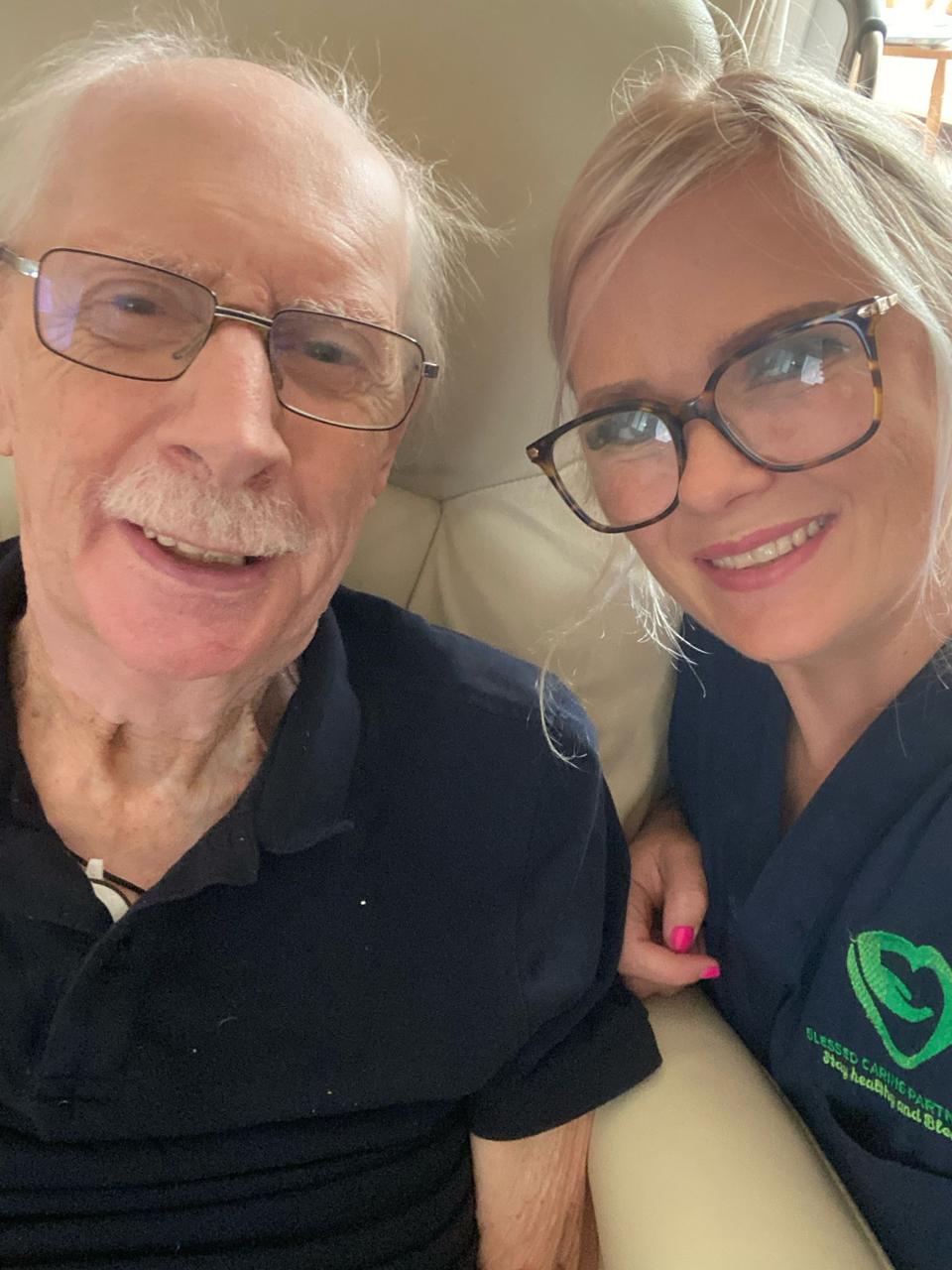
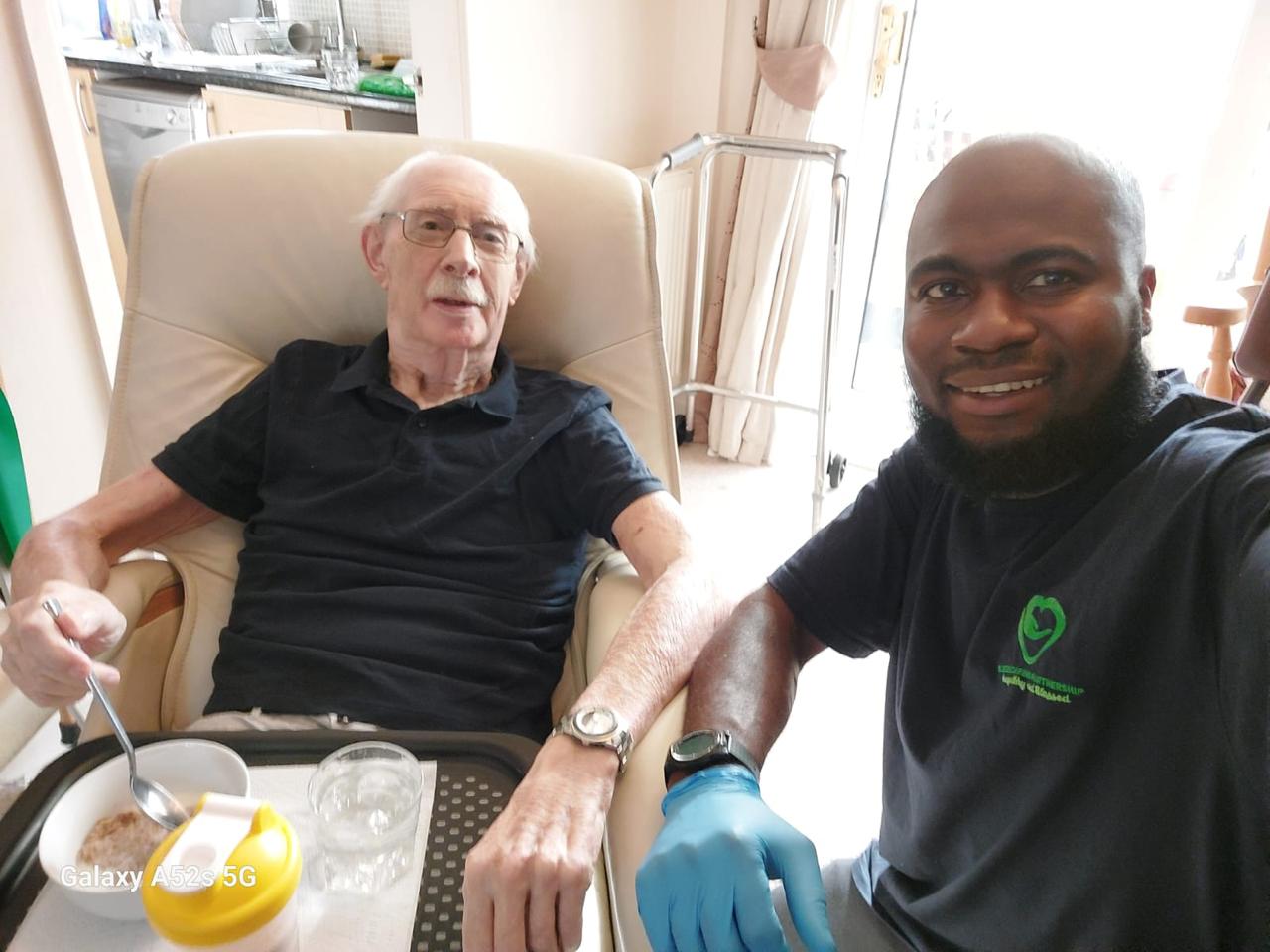
Familiar surroundings play a massive role in reducing anxiety and confusion for individuals with dementia. Staying at home allows seniors to:
Maintain Muscle Memory and Routine: Familiar rooms, furniture, and daily paths help reduce disorientation.
Stay Close to Memories: Family photos, personal belongings, and lifelong items offer emotional grounding and comfort.
Reduce Agitation: Unlike unfamiliar care facilities, home environments minimize sensory overload and sudden panic.
Key Principles of Effective Dementia Care
Establishing a Calm Routine: Predictable daily schedules for meals, waking up, and light activities help reduce confusion and anxiety.
Clear, Patient Communication: Using simple sentences, gentle tones, and non-verbal reassurance makes communication much easier.
Creating a Safe Environment: Removing tripping hazards, securing exits, and keeping harmful items away ensures absolute physical safety.
Encouraging Meaningful Engagement: Simple hobbies, listening to favorite old music, or looking through photo albums stimulate the mind positively.
Frequently Asked Questions (FAQs)
Q1: What qualifications do dementia caregivers have?
Professional dementia caregivers receive specialized training in managing memory loss behaviors, patience techniques, safe communication, and emergency response.
Q2: How does home care help manage behavioral changes like wandering?
Caregivers implement safety protocols, monitor movement closely, and engage seniors in calming activities to prevent wandering episodes.
Q3: Can a dementia caregiver help with daily personal hygiene?
Yes, they provide respectful, gentle assistance with bathing, dressing, grooming, and medication management.
Q4: Is home care flexible as the dementia progresses?
Absolutely. Care plans are fully adaptable, transitioning from hourly check-ins to round-the-clock or live-in support as the condition advances.
Q5: How does home care support family members?
It relieves the heavy emotional and physical burden on family members, giving them peace of mind and time to rest.
Conclusion
Caring for someone with dementia requires infinite patience, love, and specialized expertise. With professional home-based support, you can ensure your loved one lives a safe, dignified, and comforting life surrounded by familiar memories.