





Introduction
As people age or face ongoing health challenges, families often struggle to decide what type of care is best for their loved ones. While residential care homes have traditionally been a common option, many individuals now prefer to remain in their own homes while receiving professional support. This growing demand has made live-in care one of the most popular care solutions across the UK.
Live-in care allows individuals to receive personalised assistance while continuing to enjoy the comfort, familiarity, and independence of their own home. With a dedicated caregiver available to provide support, clients can maintain their lifestyle without the need to relocate to a residential facility.
What Is Live-In Care?
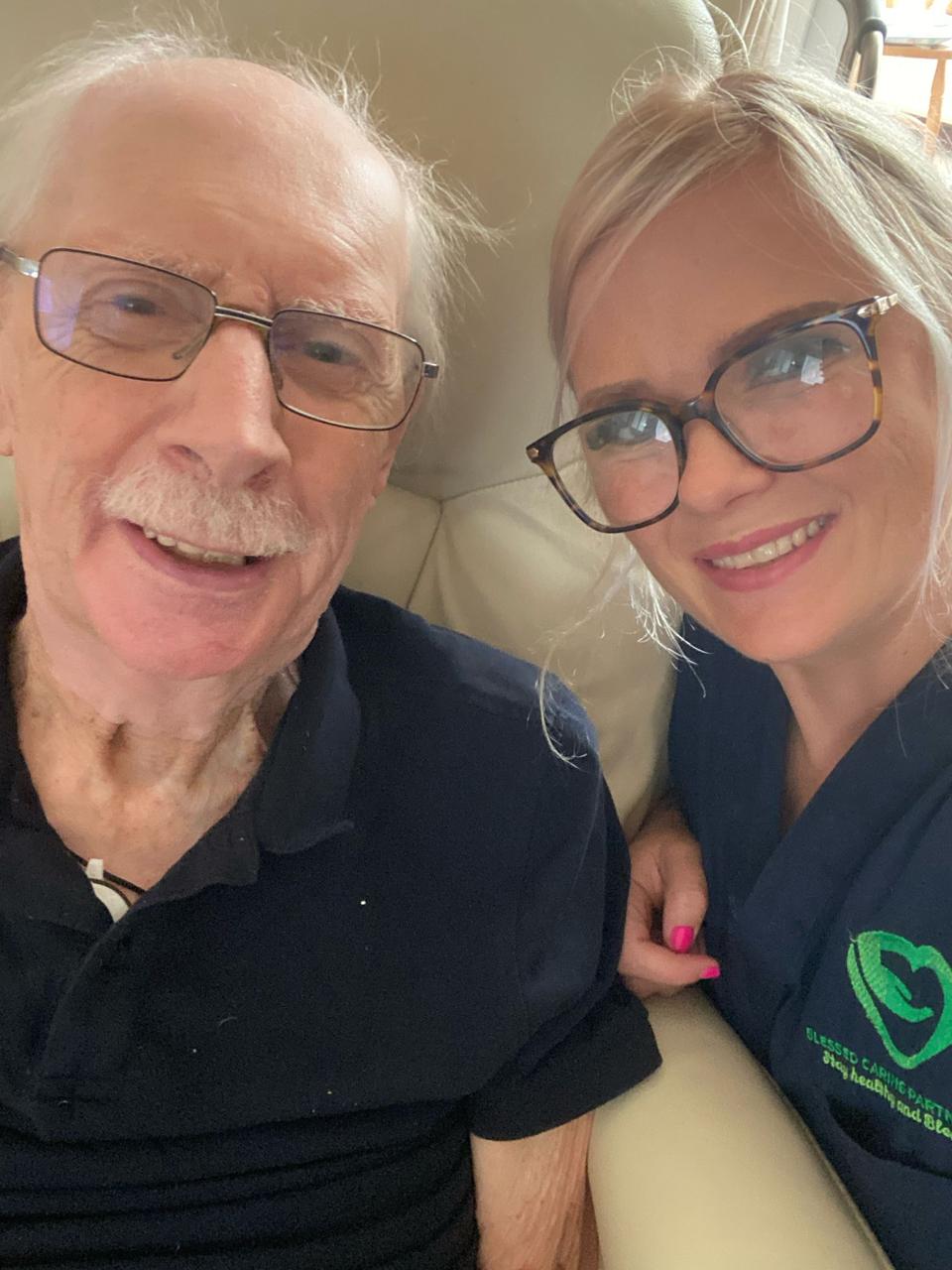
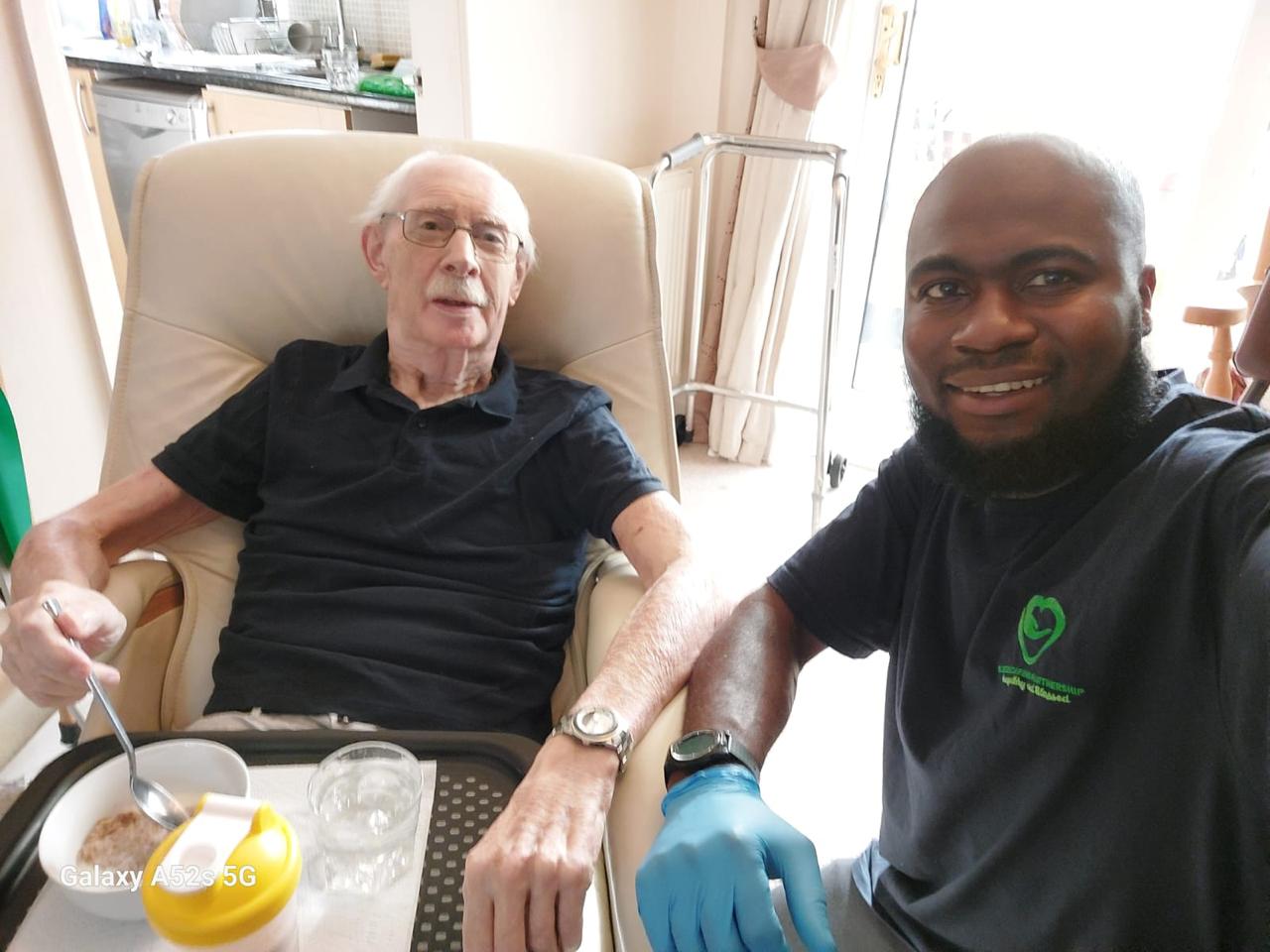
Live-in care is a service where a trained caregiver lives in the client’s home and provides ongoing assistance with daily activities, personal care, companionship, and household tasks. Unlike residential care, where multiple residents share support services, live-in care focuses entirely on the individual.
Services often include:
- Personal care assistance
- Medication reminders
- Meal preparation
- Household support
- Mobility assistance
- Companionship and emotional support
- Overnight supervision when required
This one-to-one approach ensures that care is tailored specifically to the client’s needs and preferences.
Maintaining Independence at Home
One of the greatest advantages of live-in care is the ability to remain independent. Many people feel emotionally attached to their homes because they contain memories, routines, and familiar surroundings that contribute to their wellbeing.
Remaining at home allows individuals to:
- Continue their daily routines
- Stay close to family and friends
- Maintain community connections
- Enjoy familiar surroundings
- Preserve personal independence
This continuity can have a positive impact on both emotional and mental wellbeing.
Personalised One-to-One Support
Every person has unique care requirements. Live-in care provides fully personalised support designed around individual needs rather than following a standard care schedule.
A dedicated caregiver can help with:
- Bathing and dressing
- Mobility support
- Medication management
- Appointment assistance
- Shopping and errands
- Meal planning and preparation
Because care is focused on one individual, support can be adjusted whenever needs change.
Emotional Wellbeing and Companionship
Loneliness affects many older adults and vulnerable individuals. Social isolation can contribute to anxiety, depression, and a decline in overall health.
Live-in caregivers provide companionship through:
- Friendly conversation
- Shared activities
- Emotional reassurance
- Social engagement
- Accompaniment on outings
Building a positive relationship with a caregiver can significantly improve confidence, happiness, and overall quality of life.
Enhanced Safety and Security
Safety is a major concern for families when a loved one lives alone. Falls, medical emergencies, and mobility challenges can create significant risks.
Live-in care helps improve safety through:
- Continuous support
- Fall prevention assistance
- Medication monitoring
- Emergency response readiness
- Daily wellbeing checks
Having a trained caregiver present provides reassurance for both clients and their families.
Support for Individuals with Complex Needs
Live-in care is suitable for people with a wide range of health conditions and support requirements.
Caregivers may assist individuals living with:
- Dementia
- Alzheimer’s disease
- Parkinson’s disease
- Physical disabilities
- Chronic illnesses
- Mental health conditions
Professional support helps individuals maintain comfort and dignity while receiving appropriate care.
Why Families Choose Blessed Caring Partnership
Families need confidence that their loved ones are receiving compassionate and professional care. Blessed Caring Partnership focuses on person-centred support that respects individuality, dignity, and independence.
Key benefits include:
- Experienced caregivers
- Flexible care plans
- Compassionate support
- Personalised services
- Focus on independence
- Commitment to client wellbeing
The organisation works closely with clients and families to ensure care is delivered to the highest possible standard.
Conclusion
Live-in care provides an effective alternative to residential care homes by allowing individuals to remain in familiar surroundings while receiving personalised support. From personal care and companionship to complex health assistance, live-in care promotes independence, dignity, safety, and wellbeing.
For families seeking compassionate and reliable care services, live-in care offers peace of mind while helping loved ones continue living comfortably in the place they call home.
Detailed FAQs
What is live-in care?
Live-in care is a service where a professional caregiver lives in the client’s home and provides ongoing support with daily activities, personal care, companionship, and wellbeing.
Is live-in care better than a care home?
The answer depends on individual needs. Many people prefer live-in care because it allows them to remain in familiar surroundings while receiving personalised one-to-one support.
Who can benefit from live-in care?
Older adults, individuals with disabilities, people recovering from illness or surgery, and those living with long-term health conditions can benefit from live-in care services.
What tasks can a live-in caregiver perform?
A caregiver can assist with personal care, medication reminders, meal preparation, housekeeping, companionship, mobility support, shopping, and appointments.
Can live-in care support people with dementia?
Yes. Live-in caregivers can provide specialised support for individuals living with dementia and other cognitive conditions while helping maintain routine and familiarity.
Does live-in care provide companionship?
Yes. Companionship is a major part of live-in care and helps reduce loneliness, improve emotional wellbeing, and encourage social interaction.
Is live-in care available 24 hours a day?
Live-in caregivers provide extensive daily support and are available when needed according to the agreed care plan.
How is a live-in care plan created?
Care plans are developed based on an individual’s health conditions, lifestyle, preferences, and support requirements to ensure personalised care.
Can live-in care be adjusted over time?
Yes. Care plans are regularly reviewed and can be modified as care needs change.
Why choose Blessed Caring Partnership for live-in care?
Blessed Caring Partnership offers compassionate, personalised, and professional care services designed to help individuals maintain independence, dignity, and quality of life within their own homes.