




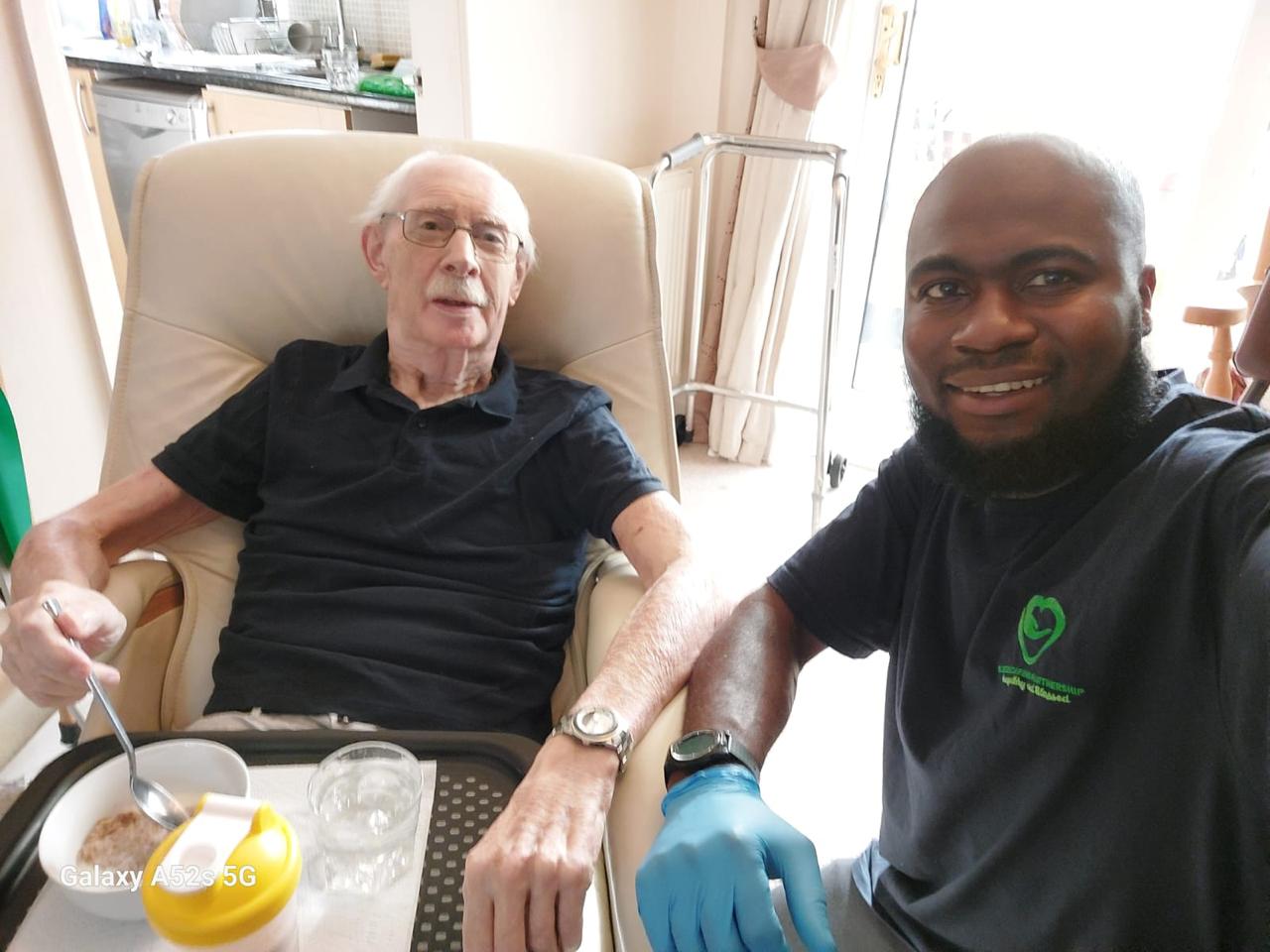


Home is where many people feel most comfortable. It is a place filled with familiar surroundings, personal belongings, memories, and everyday routines. When someone begins to need more support, moving away from home may not always feel like the right choice.
Live-In Care can provide another option. With a live-in carer, an individual can receive ongoing support in their own home while continuing to enjoy the environment they know.
At Blessed Caring Partnership, care is focused on the individual. Support can be tailored around personal routines, preferences, daily activities, and changing needs.
What Is Live-In Care?
Live-in care is a type of home care where a professional carer stays in the individual’s home and provides support throughout the day and night according to the agreed care plan.
The level of assistance can vary from person to person. Some individuals may need help with everyday activities, while others may require more comprehensive support.
The important thing is that the care arrangement is built around the person’s individual circumstances.
Why Choose Live-In Care?
There are many reasons why families consider live-in care.
For some people, remaining at home is extremely important. They may feel more comfortable following their usual routine and staying close to their family, friends, pets, and local community.
Live-in care can provide additional support without requiring the individual to leave their familiar surroundings.
Support With Everyday Activities
A live-in carer can assist with a range of everyday activities, depending on the person’s care plan.
This may include:
- Personal care
- Dressing and getting ready
- Preparing meals
- Help with household routines
- Mobility assistance
- Companionship
- Shopping and errands
- Support with appointments
- Maintaining daily routines
The purpose is not to take over everything. Instead, support can be provided where it is needed while encouraging the individual to remain as independent as possible.
Personalised Care Makes a Difference
Every individual has different preferences.
Someone may like breakfast early in the morning, while another person may prefer a slower start to their day. Some people enjoy going for walks, reading, gardening, cooking, or spending time with family.
A personalised care plan can take these preferences into consideration.
This helps care become part of someone’s normal lifestyle rather than completely changing the way they live.
The Importance of Companionship
Having a carer at home can also provide regular companionship.
A carer may spend time talking with the individual, enjoying hobbies together, watching a favourite programme, preparing a meal, or simply being present during the day.
For people who spend a lot of time at home, this regular social interaction can become an important part of their routine.
You can also learn more about our Companionship Care service for additional information about social and everyday support.
Supporting Family Members
Families often want to provide as much support as possible, but caring responsibilities can become difficult to manage alongside work and other commitments.
Live-in care can provide families with additional professional support while allowing them to remain involved in their loved one’s life.
It can also provide reassurance that someone is available to assist with everyday needs.
Live-In Care and Independence
Professional support does not have to mean losing independence.
A good care plan should encourage individuals to continue making their own choices wherever possible.
For example, a carer may assist with preparing a meal while allowing the individual to decide what they want to eat. They might also provide support with an activity rather than doing everything on the person’s behalf.
Small choices can help someone remain involved in their own daily life.
Can Live-In Care Be Combined With Other Services?
Yes. Care needs can vary considerably.
Someone receiving live-in care may also require specific support with personal care or companionship. In some circumstances, temporary Respite Care may also be useful when a family carer needs additional support.
The right arrangement should always be discussed with the care provider based on the individual’s needs.
Choosing a Live-In Care Provider
Choosing a care provider is an important decision.
Before making a choice, consider:
- The individual’s care requirements
- The provider’s experience
- How personalised the care plans are
- How carers are selected and trained
- How changes in needs are handled
- Communication with family members
- The provider’s registration and quality information
It is also useful to discuss the person’s daily routine and preferences during the initial assessment.
Planning for Live-In Care
Good planning can make the transition to live-in care easier.
Talk openly with the person receiving care and involve them in decisions wherever possible. Consider what support they need, what they enjoy doing, and how their normal day works.
You should also discuss practical arrangements with the provider, including the home environment, care requirements, routines, and communication.
Why Choose Blessed Caring Partnership?
Blessed Caring Partnership provides personalised home care support designed around individual needs.
The organisation offers services including live-in care, personal care, visiting care, companionship, and respite care.
If you are considering Live-In Care for yourself or someone you love, you can explore Blessed Caring Partnership’s care services or contact the care team to discuss your requirements.
Final Thoughts
Live-In Care can allow people to continue living in the place they know while receiving regular professional support.
From everyday activities and personal care to companionship and family reassurance, the right care arrangement can make life at home more manageable.
Most importantly, care should always respect the person’s dignity, preferences, choices, and independence.
For families considering their options, speaking with a professional care provider is a useful first step toward understanding what type of support may be suitable.
Frequently Asked Questions
What is live-in care?
Live-in care is a home care arrangement where a professional carer stays in the person’s home and provides ongoing support based on their individual care plan.
Who might benefit from live-in care?
It may be suitable for people who need regular support but would prefer to remain in their own home rather than move into residential accommodation.
What does a live-in carer help with?
Depending on the agreed care plan, a live-in carer may help with personal care, meals, mobility, household routines, companionship, appointments, and other everyday activities.
Does live-in care mean the carer works 24 hours a day?
Not necessarily. Live-in care provides a carer in the home, but appropriate arrangements for breaks and rest are an important part of planning the service.
Can live-in care support independence?
Yes. Personalised care can focus on assisting with tasks while encouraging the individual to remain involved in decisions and activities.
Can family members still visit?
Yes. Family involvement can continue and can remain an important part of the individual’s life and support network.
Is live-in care suitable for someone living alone?
It can be an option for someone who needs regular support and wants to remain at home. A professional assessment can help determine whether it is appropriate.
Can live-in care include companionship?
Yes. Companionship can be an important part of a live-in care arrangement, depending on the individual’s needs and care plan.
Can care needs change after live-in care starts?
Yes. People’s circumstances can change over time. Care plans should be reviewed when additional or different support is required.
How do I arrange live-in care?
The best first step is to contact a care provider and discuss the person’s needs, routine, preferences, and the level of support required. This allows a suitable care plan to be considered.