




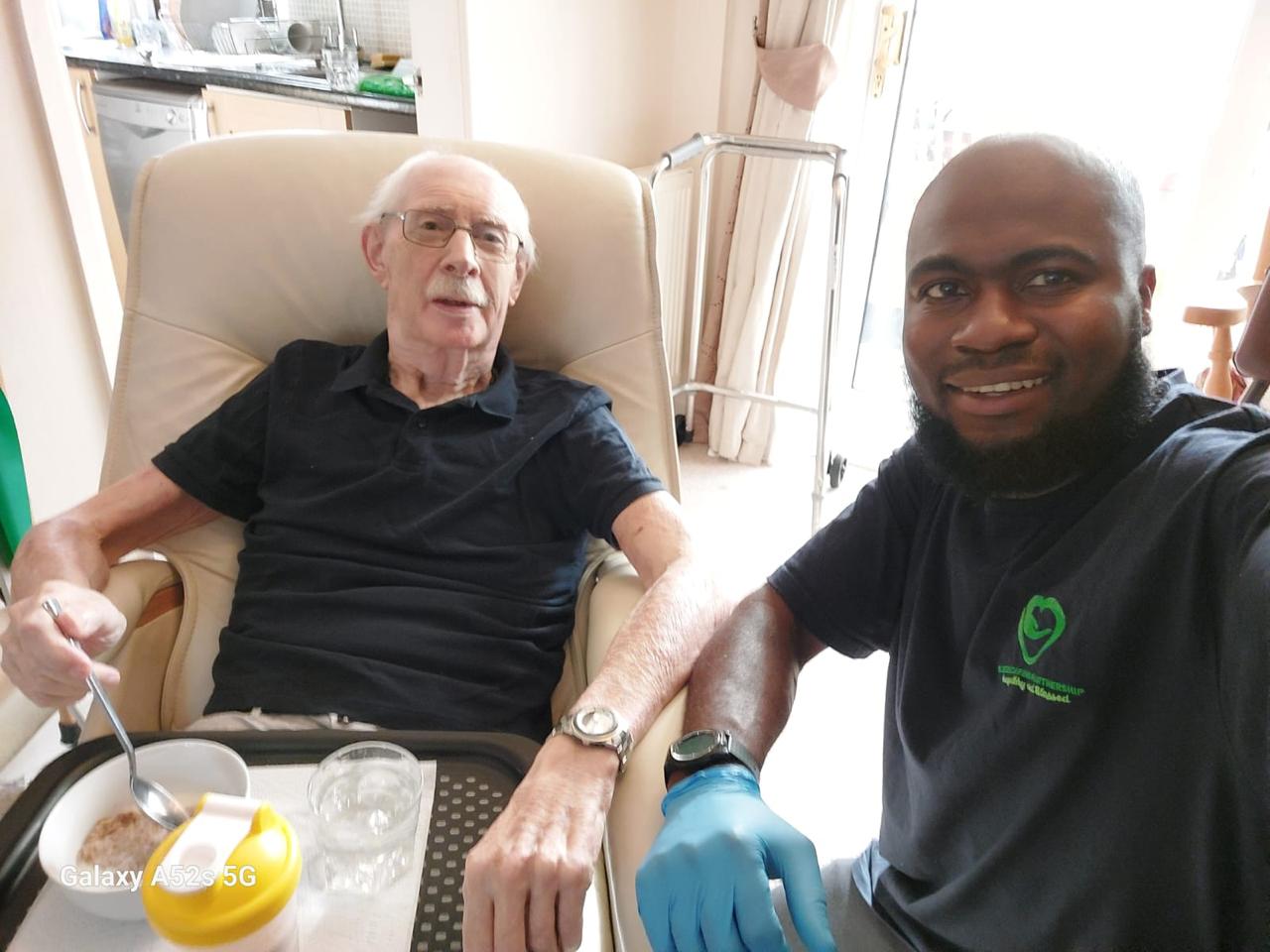



As our loved ones grow older or face health challenges, ensuring they receive the best possible care becomes a top priority. While residential care homes are one option, many families today are choosing live-in care because it allows individuals to remain in the comfort of their own homes while receiving dedicated one-to-one support.
Live-in care combines professional assistance with the emotional comfort of staying in familiar surroundings. It promotes independence, enhances wellbeing, and provides peace of mind for families knowing their loved one is receiving compassionate, personalised care around the clock.
What Is Live-In Care?
Live-in care is a service where a trained professional caregiver lives in the client’s home to provide ongoing support with daily activities and personal care.
Unlike residential care, live-in care offers one-to-one assistance tailored specifically to the individual’s needs.
Support may include:
- Personal care
- Bathing and dressing
- Medication reminders
- Meal preparation
- Housekeeping
- Mobility assistance
- Companionship
- Shopping
- Attending appointments
- Overnight support
Why More Families Prefer Live-In Care
Many families choose live-in care because it provides the perfect balance between professional support and maintaining independence.
Instead of adapting to a care home’s routine, the care plan is built around the individual’s lifestyle, preferences, and daily habits.
This personalised approach helps people feel comfortable, respected, and in control of their lives.
Maintaining Independence
One of the greatest advantages of live-in care is the ability to remain independent.
Clients can continue to:
- Wake up when they choose
- Enjoy favourite meals
- Spend time in their own garden
- See family whenever they like
- Continue hobbies
- Keep beloved pets
- Stay connected with neighbours and friends
Remaining in familiar surroundings often contributes to greater happiness and confidence.
One-to-One Personalised Care
Unlike care homes where staff support several residents, live-in care focuses entirely on one individual.
This allows carers to understand:
- Personal preferences
- Medical needs
- Daily routines
- Cultural values
- Dietary requirements
- Hobbies and interests
Every care plan is unique and evolves as needs change.
Emotional Wellbeing Matters
Home is where people feel safest.
Living in familiar surroundings reduces stress and anxiety, particularly for older adults and individuals living with memory-related conditions.
Professional carers provide:
- Friendly conversation
- Emotional reassurance
- Encouragement
- Social interaction
- Meaningful companionship
This helps reduce feelings of loneliness and isolation.
Better Safety at Home
Falls are one of the leading causes of injury among older adults.
A live-in carer helps minimise risks by assisting with:
- Walking safely
- Transfers
- Medication routines
- Household tasks
- Night-time support
Having someone nearby provides reassurance for both clients and their families.
Support for Families
Family caregivers often balance work, children, and personal responsibilities.
Live-in care provides valuable support by:
- Reducing caregiver stress
- Offering respite
- Providing professional expertise
- Giving families peace of mind
- Allowing more quality family time
Instead of focusing on caregiving duties, families can enjoy meaningful moments together.
Flexible Care That Changes with Your Needs
Care needs can change over time.
Live-in care plans are flexible and may increase or decrease depending on:
- Recovery after surgery
- Long-term illness
- Mobility changes
- Ageing
- Temporary support
This flexibility ensures clients always receive the right level of care.
Who Can Benefit from Live-In Care?
Live-in care is suitable for people who:
- Are elderly
- Have limited mobility
- Need personal care
- Live with disabilities
- Require companionship
- Need rehabilitation support
- Are recovering after surgery
- Require long-term assistance
Choosing a Trusted Care Provider
Selecting the right care provider is one of the most important decisions a family can make.
Look for providers who offer:
- Experienced carers
- Personalised care plans
- Flexible support
- Compassionate staff
- Reliable communication
- High-quality standards
- Family involvement
A trusted provider will focus on dignity, respect, and person-centred care.
Conclusion
Live-in care offers a compassionate alternative to residential care by allowing individuals to receive professional support while remaining in the place they know and love most—their own home.
With personalised assistance, emotional companionship, and 24-hour reassurance, live-in care helps people maintain independence, dignity, and a better quality of life.
Whether support is needed temporarily or long-term, live-in care provides comfort, confidence, and peace of mind for both clients and their families.
Frequently Asked Questions (FAQs)
1. What is live-in care?
Live-in care is a home care service where a professional caregiver lives with the client and provides daily assistance based on their individual needs.
2. Who can benefit from live-in care?
Older adults, people with disabilities, individuals recovering from surgery, and those with long-term health conditions can all benefit from live-in care.
3. Is live-in care available 24 hours a day?
Yes. Live-in carers provide ongoing support throughout the day and are available to assist during the night when required.
4. What services are included in live-in care?
Services may include:
- Personal care
- Meal preparation
- Medication reminders
- Housekeeping
- Shopping
- Mobility support
- Companionship
- Overnight assistance
5. Can live-in care be personalised?
Yes. Every care plan is tailored to the client’s medical needs, lifestyle, preferences, and daily routine.
6. Is live-in care better than moving into a care home?
For many people, live-in care offers greater independence, personalised attention, and the comfort of remaining in familiar surroundings.
7. Can family members still be involved?
Absolutely. Families are encouraged to participate in care planning and stay actively involved in supporting their loved one.
8. Does live-in care include companionship?
Yes. Professional carers provide emotional support, conversation, and companionship to help reduce loneliness and improve wellbeing.
9. Can live-in care be arranged for short-term support?
Yes. Live-in care can be arranged for temporary recovery, respite care, or long-term ongoing assistance.
10. Why choose Blessed Caring Partnership?
Blessed Caring Partnership provides compassionate, person-centred live-in care tailored to each individual’s needs. Our experienced carers are committed to promoting dignity, independence, safety, and a better quality of life while helping people remain comfortably in their own homes.